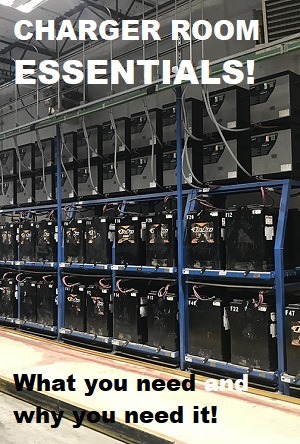
Operating electric forklifts in cold storage or winter warehouses significantly impacts battery chemistry, runtime, and equipment longevity. Whether your fleet runs on traditional lead-acid or modern lithium-ion (Li-ion) units, understanding cold weather effects on forklift batteries helps prevent costly downtime and permanent cell damage.
How Cold Temperatures Impact Performance
Low temperatures slow the internal chemical reactions needed to generate power, creating immediate operational challenges:
-
Reduced Capacity & Runtime: At 32°F, a lead-acid forklift battery can lose up to 30% of its rated capacity—and up to 50% at -22°F. An 8-hour shift battery may only deliver 4 to 5 hours of runtime.
-
Voltage Drops: Increased internal resistance causes voltage to sag under heavy loads, resulting in sluggish mast lift speeds and drive stuttering.

Charging Challenges and Structural Risks
Plugging in a cold battery causes inefficiencies and physical hazards:
-
Incomplete Charging: Cold batteries give artificial voltage readings that can trick chargers into shutting off early, leaving units undercharged.
-
Lithium Plating: Charging a lithium-ion forklift battery below 32°F causes lithium ions to coat the anode rather than enter it, permanently reducing capacity and risking internal short circuits.
-
Electrolyte Freezing & Condensation: Discharged lead-acid batteries have higher water concentrations that can freeze and crack the casing. Meanwhile, moving equipment from a freezer to a warm charging bay triggers condensation (“sweating”), leading to terminal corrosion and electrical shorts.
Cold-Weather Forklift Battery Maintenance Tips
Protect your electric forklift fleet during winter and cold-storage shifts with these daily habits:
-
Store and Charge Warm: Keep batteries in a temperature-controlled area between 60°F and 80°F whenever possible.
-
Follow the Acclimatize Rule: Let batteries warm up above 32°F for 30 to 60 minutes in a dry charging zone before plugging them in, and wipe away surface condensation.
-
Avoid Deep Discharges: Return forklifts for charging at 30% remaining charge instead of 20%, and never leave discharged lead-acid batteries in freezing temperatures overnight.
-
Water After Charging: Check lead-acid water levels frequently, adding distilled water only after the battery is fully charged and at room temperature.
Call 1-800-878-2779 today to speak to a New York based BPS sales representative
1-800-878-2779
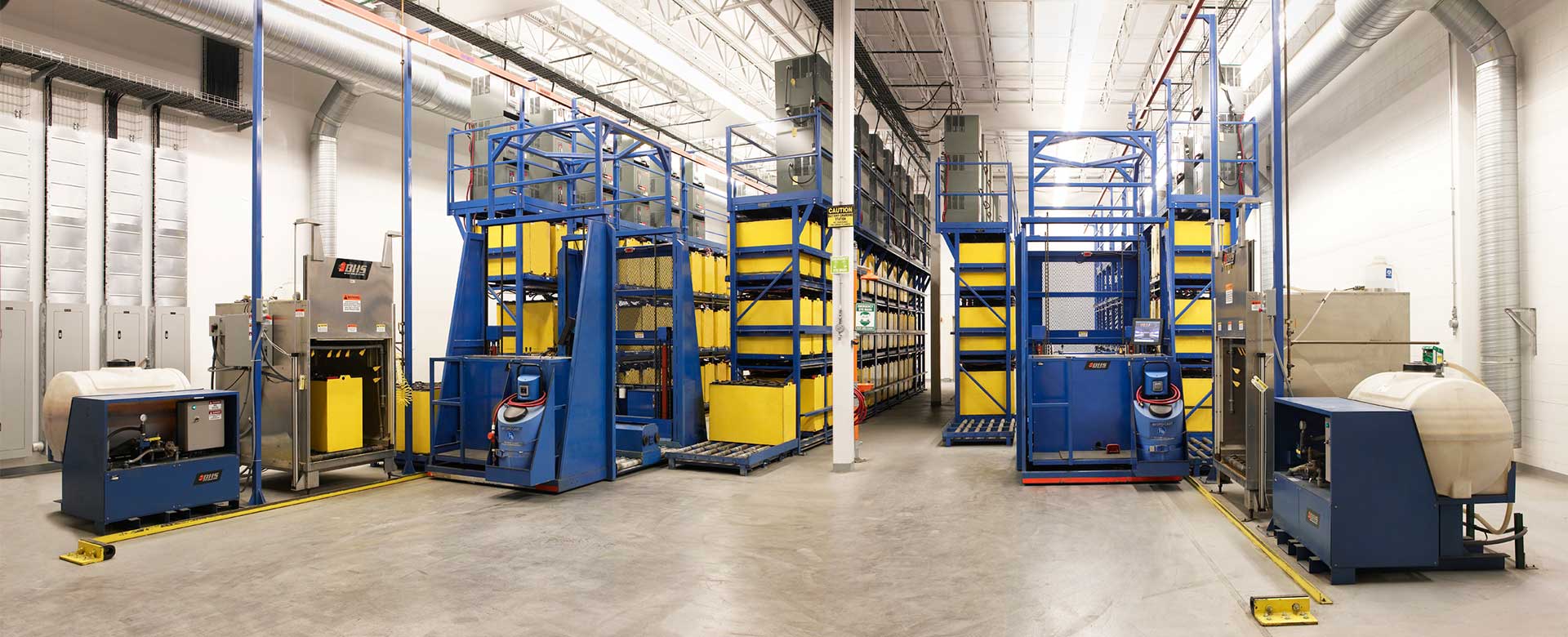
Used Forklift Batteries!
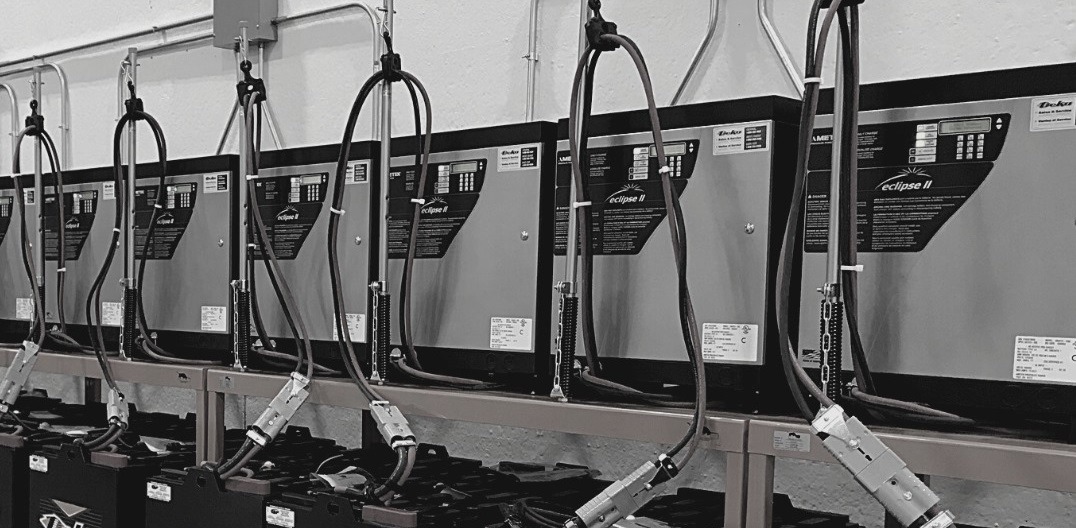
Used Battery Chargers!
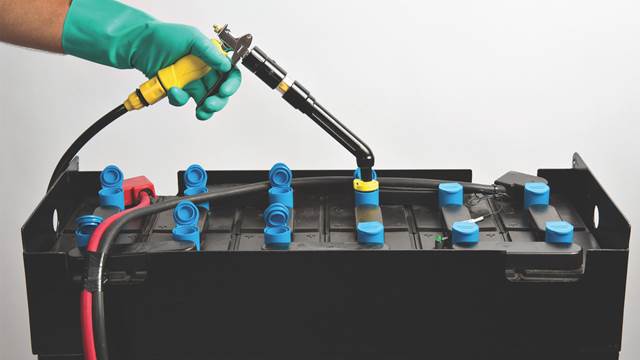
Battery Watering Systems & Services
Join the Battery Power Systems Email List
For product and service updates as well as special offers and promotions only offered to NY BPS mailing list members!